
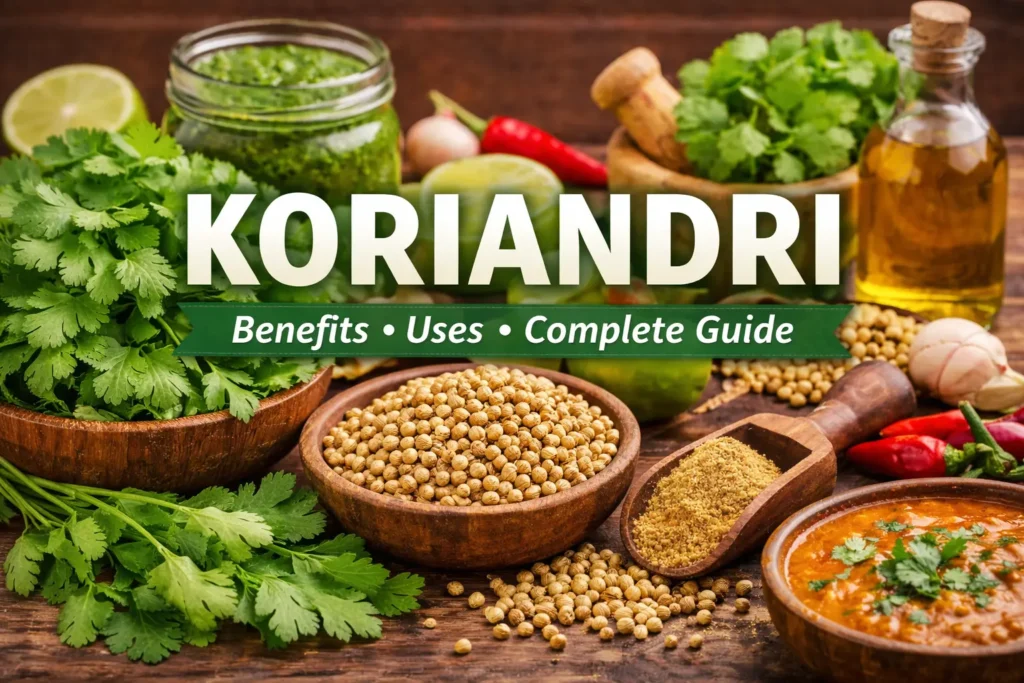

Koriandri is a widely used herb and spice that has been part of human diets and traditional remedies for centuries. Known for its fresh aroma and distinctive flavor, koriandri is used in cooking, natural medicine, and even home remedies in many cultures around the world. Whether it is added to food for taste or used for its health-supporting properties, koriandri plays an important role in daily life. In this article, we will explore everything about koriandri, including its benefits, uses, nutritional value, and growing tips in a simple and informative way.
What is Koriandri
Koriandri comes from the Coriandrum sativum plant, which produces both fresh green leaves and dried seeds. The leaves are commonly used as a garnish or ingredient in cooking, while the seeds are dried and used as a spice. Koriandri is known by different names across the world, but its purpose remains the same: adding flavor and health value to food. The unique taste of koriandri makes it a popular ingredient in Asian, Middle Eastern, and Latin American cuisines.
Nutritional Value of Koriandri
Koriandri is not just a flavor enhancer; it is also packed with essential nutrients. It contains vitamins A, C, and K, along with minerals like calcium, potassium, and magnesium. These nutrients support overall body functions, including immunity, bone strength, and metabolism. Koriandri also contains antioxidants that help protect the body from harmful free radicals. Because of its rich nutritional profile, koriandri is often included in healthy diets.
Health Benefits of Koriandri
One of the most important reasons people use koriandri is its health benefits. It is known to support digestion by reducing bloating and improving gut health. Regular consumption of koriandri may help the body detox naturally and improve liver function. Some traditional practices also suggest that koriandri can help regulate blood sugar levels and support heart health. The antioxidants found in koriandri may also contribute to reducing inflammation in the body.
Another benefit of koriandri is its potential to improve skin health. It is sometimes used in natural remedies for acne and skin irritation due to its antibacterial properties. Additionally, koriandri is believed to support better sleep and reduce anxiety in some traditional healing systems.
Culinary Uses of Koriandri
Koriandri is widely used in cooking for its fresh and citrus-like flavor. The leaves are often added to soups, salads, curries, and sauces. In many dishes, koriandri is used as a finishing garnish to enhance taste and aroma. The seeds are used as a spice in ground or whole form and are commonly added to spice blends, pickles, and baked goods.
In Asian cuisine, koriandri is a key ingredient in chutneys and curries. In Mexican cooking, it is used in salsa and guacamole. The versatility of koriandri makes it an essential ingredient in many global recipes.
Growing Koriandri at Home
Growing koriandri at home is simple and does not require much effort. It can be grown in small pots, kitchen gardens, or even on balconies. Koriandri prefers cool weather and well-drained soil. The seeds should be planted lightly in soil and watered regularly to maintain moisture.
With proper sunlight and care, koriandri begins to grow within a few weeks. Regular harvesting of leaves encourages new growth, making it a continuous source of fresh herbs. Many people prefer growing koriandri at home to ensure freshness and avoid chemical exposure.
Koriandri in Traditional Uses
For centuries, koriandri has been used in traditional medicine systems. It has been valued for its cooling properties and ability to balance digestion. In some cultures, koriandri seeds are used in herbal teas to support stomach health. It is also used in natural remedies for cleansing the body and improving overall wellness. These traditional uses highlight the long-standing importance of koriandri in natural health practices.
Possible Side Effects of Koriandri
While koriandri is generally safe for most people, excessive consumption may lead to mild side effects in some cases. These may include allergic reactions or digestive discomfort. It is always recommended to use koriandri in balanced amounts as part of a regular diet. People with specific allergies should be cautious before consuming it in large quantities.
Why Koriandri is Popular Worldwide
The popularity of koriandri continues to grow due to its unique flavor and health benefits. It is widely used in both traditional and modern cooking, making it a universal ingredient. The combination of taste, nutrition, and medicinal value makes koriandri a highly valued herb in kitchens and herbal practices around the world.
Conclusion
Koriandri is more than just a simple herb; it is a powerful natural ingredient with a wide range of uses. From enhancing the taste of food to supporting health and wellness, koriandri has earned its place in global cuisine and traditional medicine. Its nutritional richness and versatility make it an essential part of daily life. Whether used fresh or dried, koriandri continues to be a valuable herb for both cooking and health purposes.
FAQs
What is koriandri used for?
Koriandri is used in cooking, traditional medicine, and natural remedies. It enhances flavor and supports health.
Is koriandri good for health?
Yes, koriandri contains vitamins, minerals, and antioxidants that support digestion, immunity, and overall wellness.
Can koriandri be eaten daily?
Yes, koriandri can be consumed daily in moderate amounts as part of a balanced diet.
How does koriandri help digestion?
Koriandri helps reduce bloating and supports healthy digestion by improving gut function.
Can I grow koriandri at home?
Yes, koriandri can be easily grown at home in pots or gardens with proper sunlight and watering.
Read Also: Veronica Capone: Life Story, Family Legacy and Lasting Inspiration